

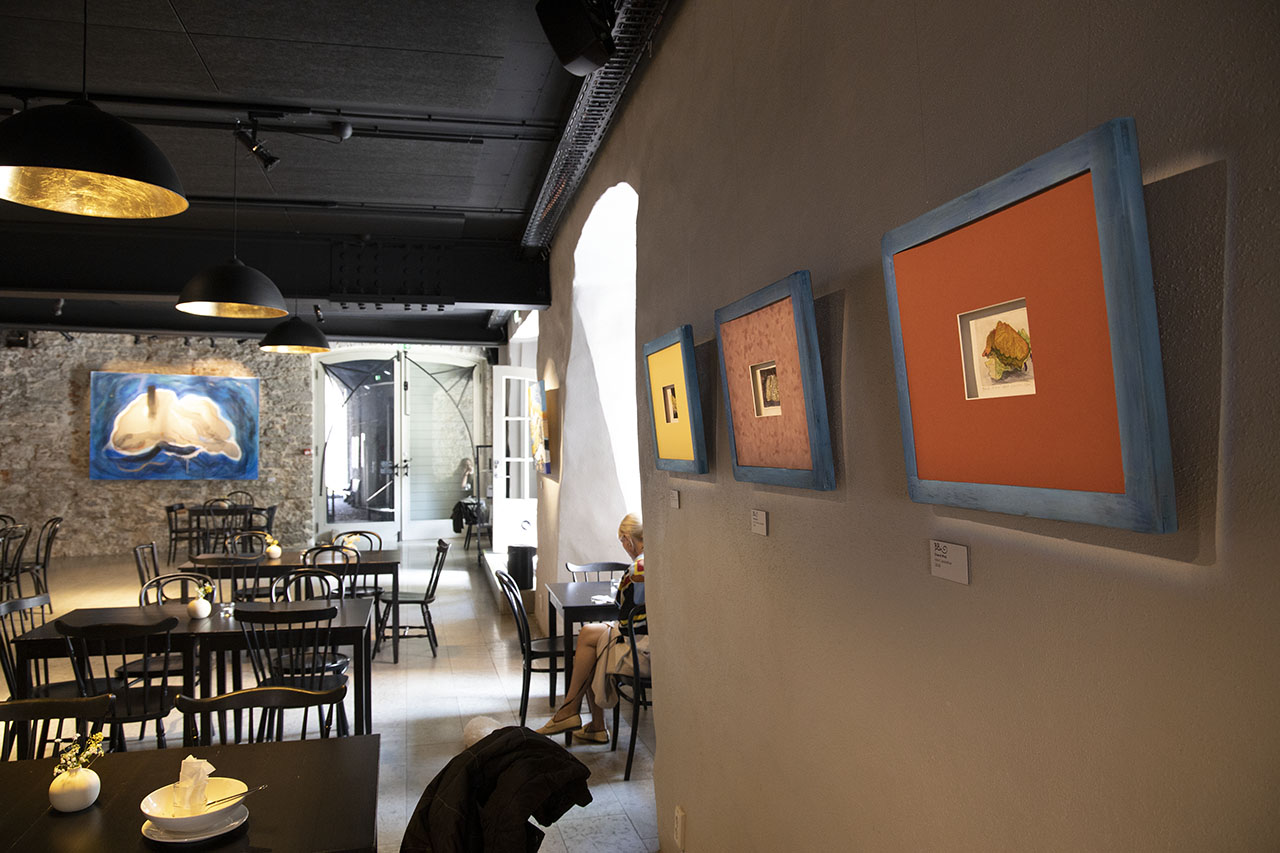
Café Ait, Tallinn
21.05-23.08.2026
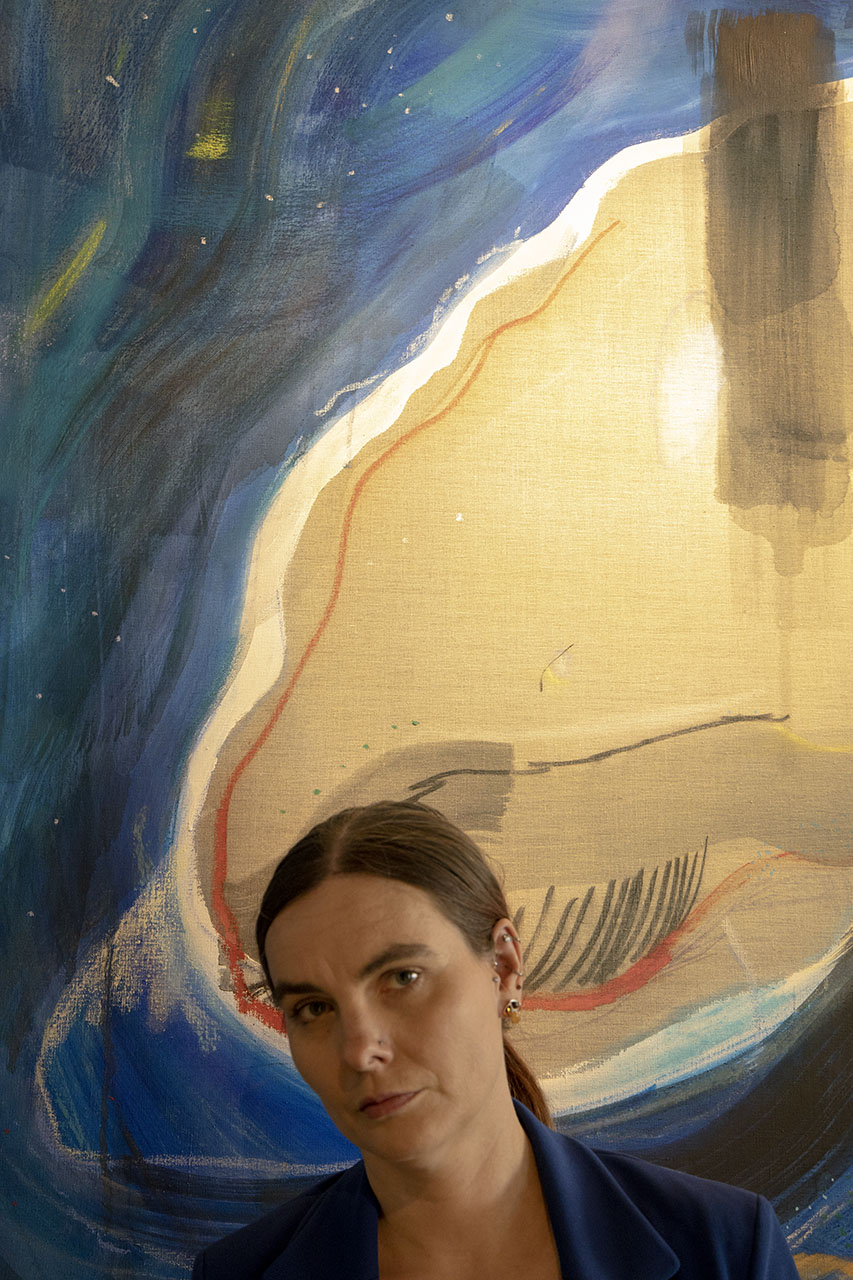
The exhibition “Madonna and the Land” is a declaration of love for the Collegium Educationis Revaliae (VHK) and the VHK Art School. Being part of this community since its early days—starting in kindergarten, progressing through every stage of the school, studying harpsichord at the VHK Music School, later returning as an art teacher, and now participating as a parent—has formed an unbroken, twenty-five-year life journey. It has shaped me, both as a person and as an artist, to an immeasurable degree. The art teachers in the primary grades were the ones whose support and captivating approach to creativity inspired a firm resolve in me: one day, when I grew up, I would become just as good an art teacher myself. The school, with all its various branches and people, acts like a protective shell—a shelter in which pearls can quietly form. The values I absorbed at VHK have taken deep root in my soul; I carry a sense of security and being cherished with me, and I strive to sow these qualities wherever I go.
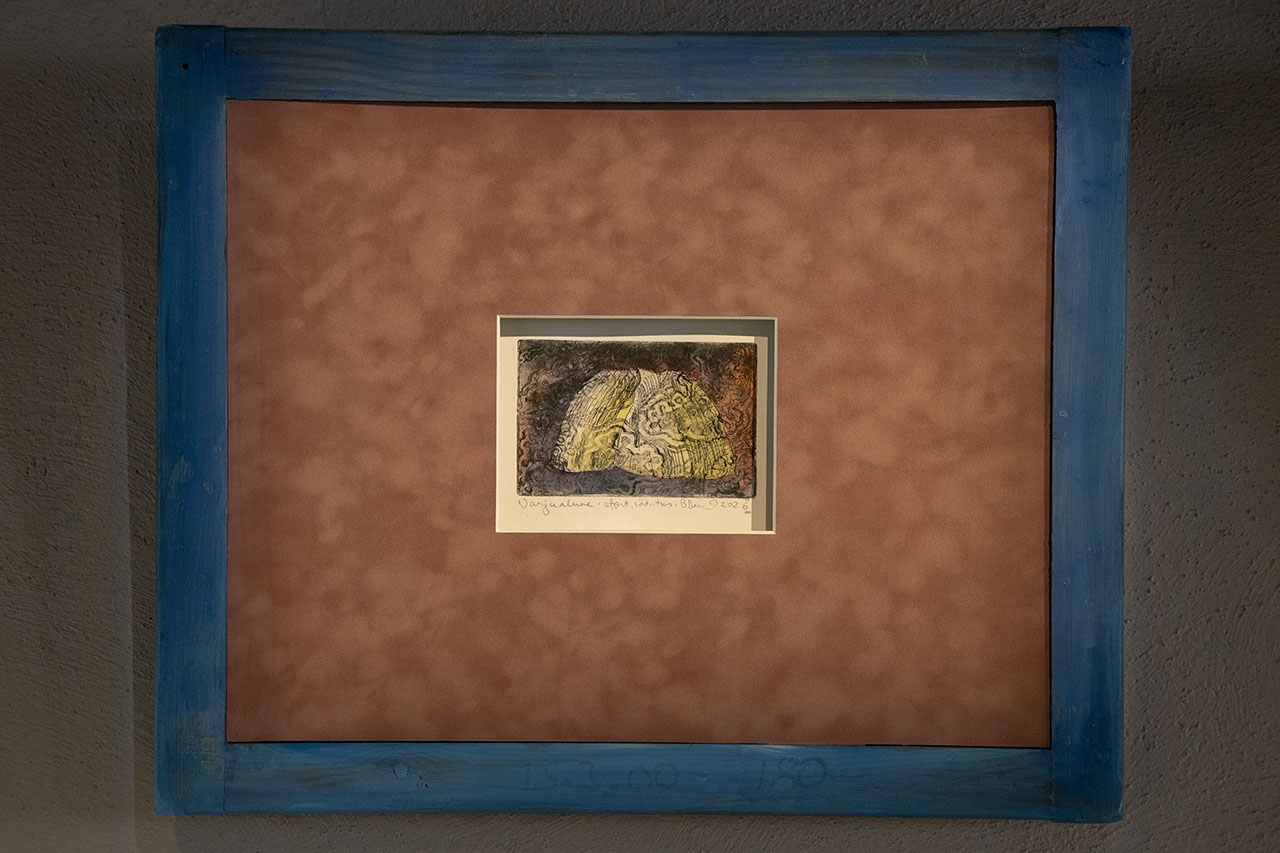
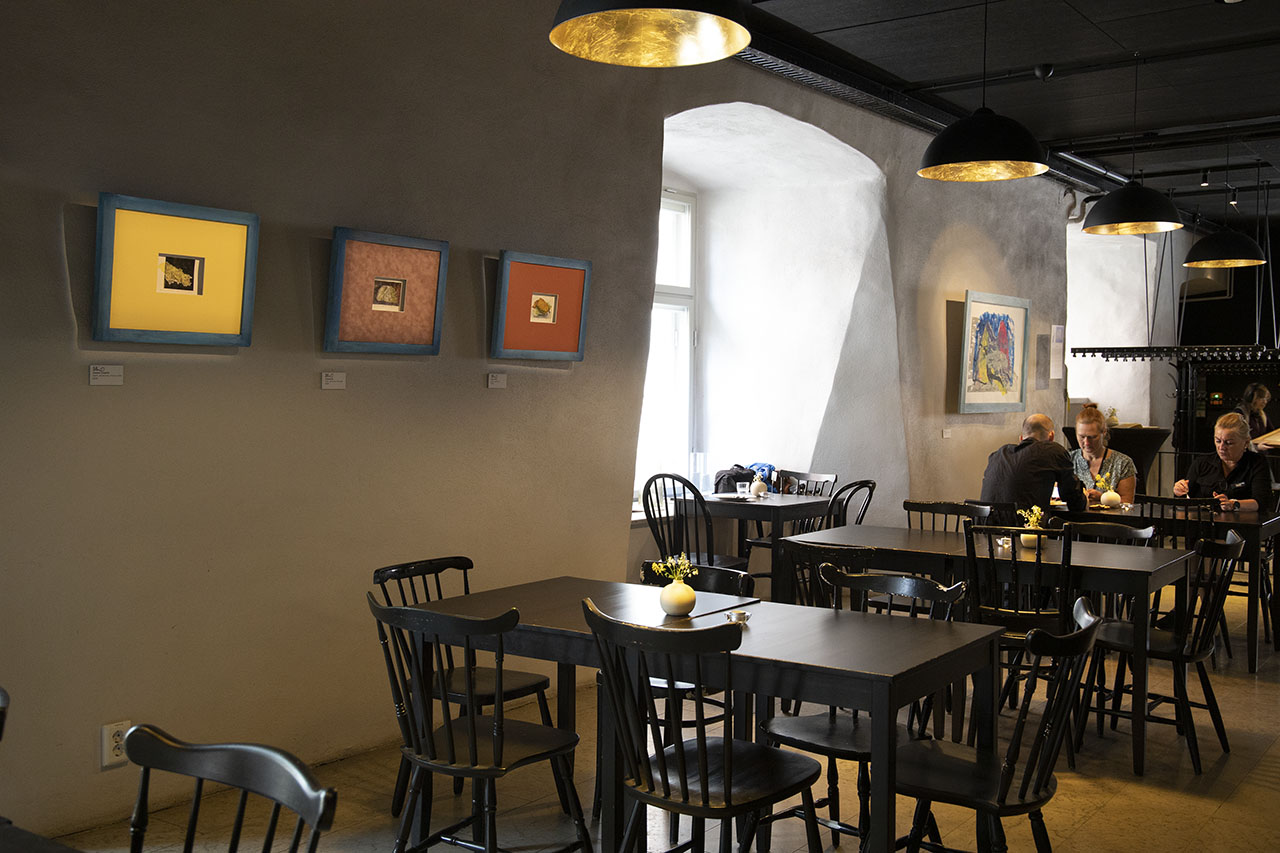
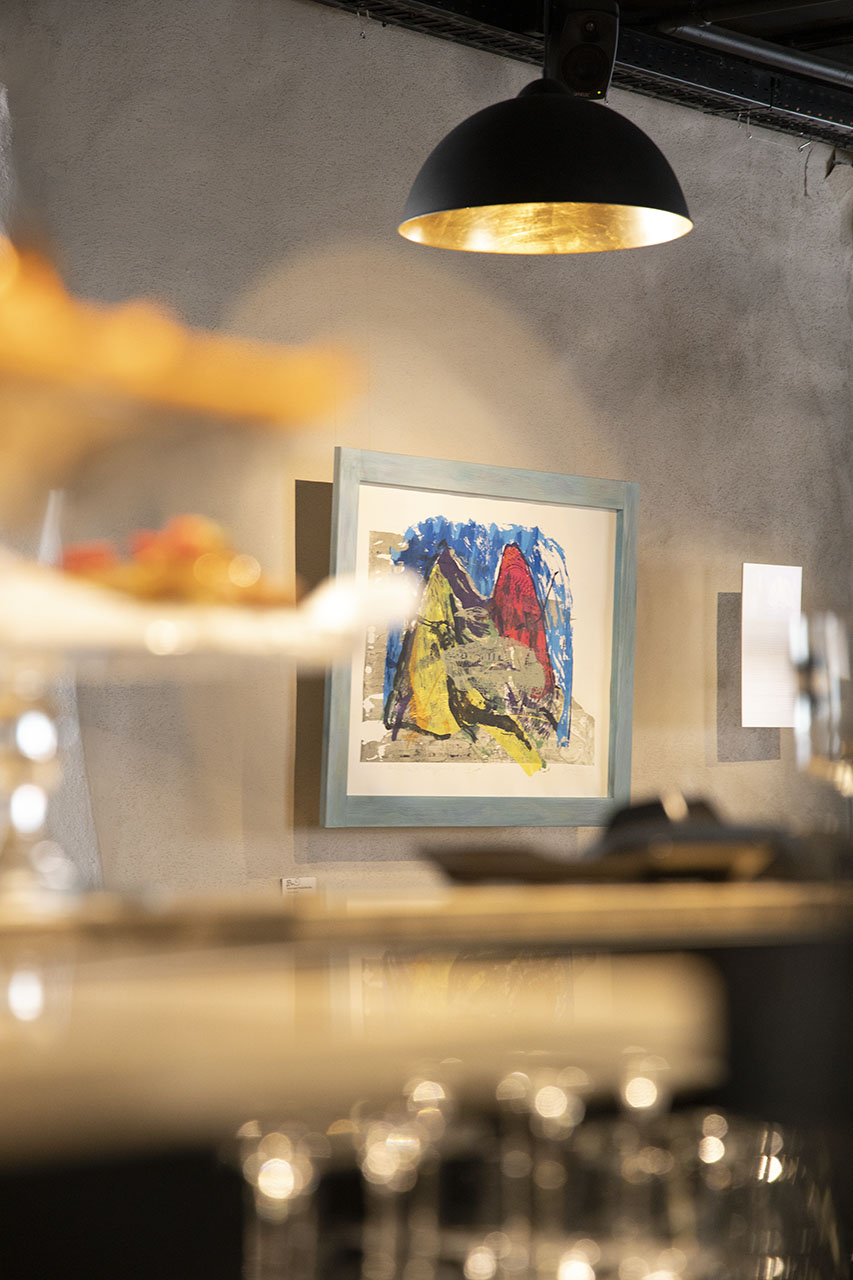
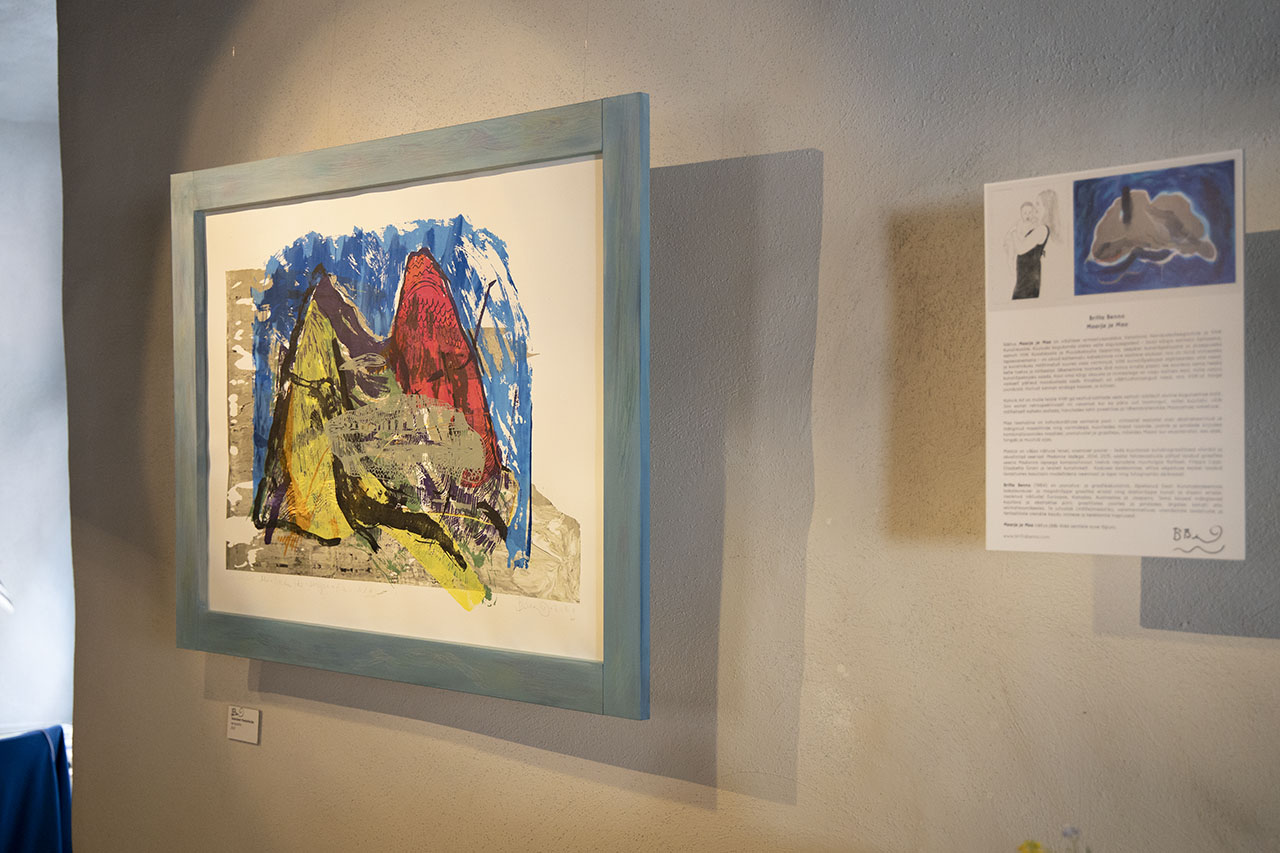
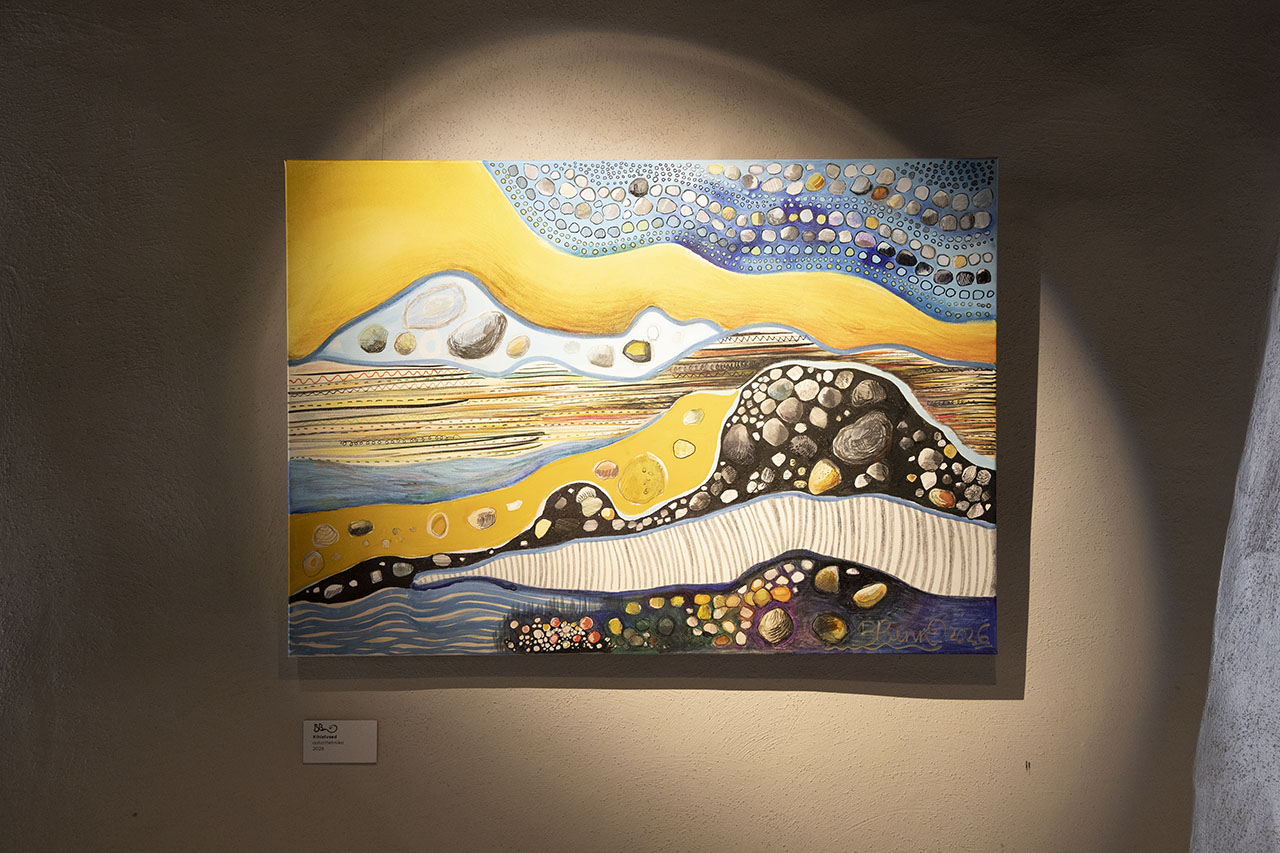
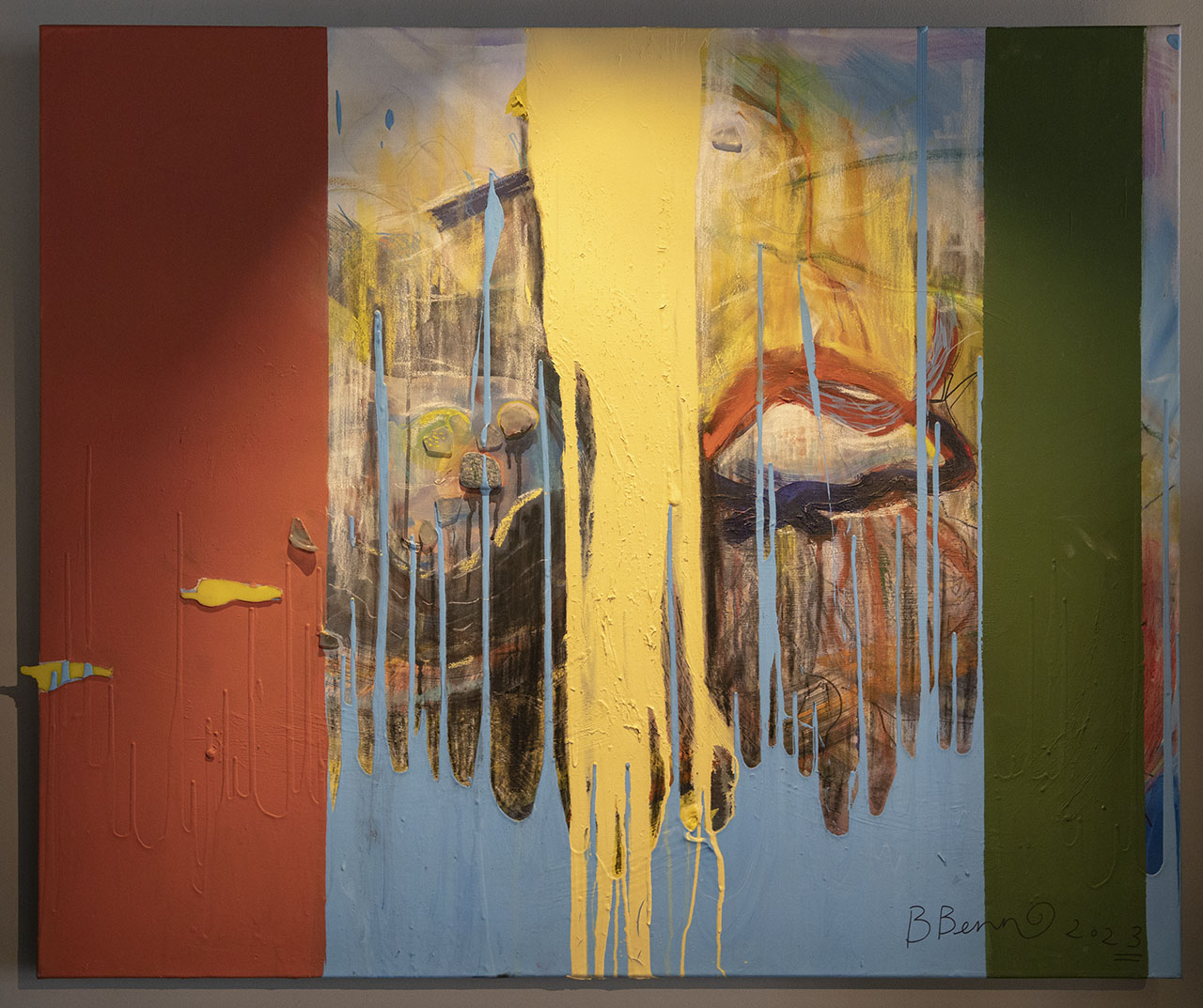
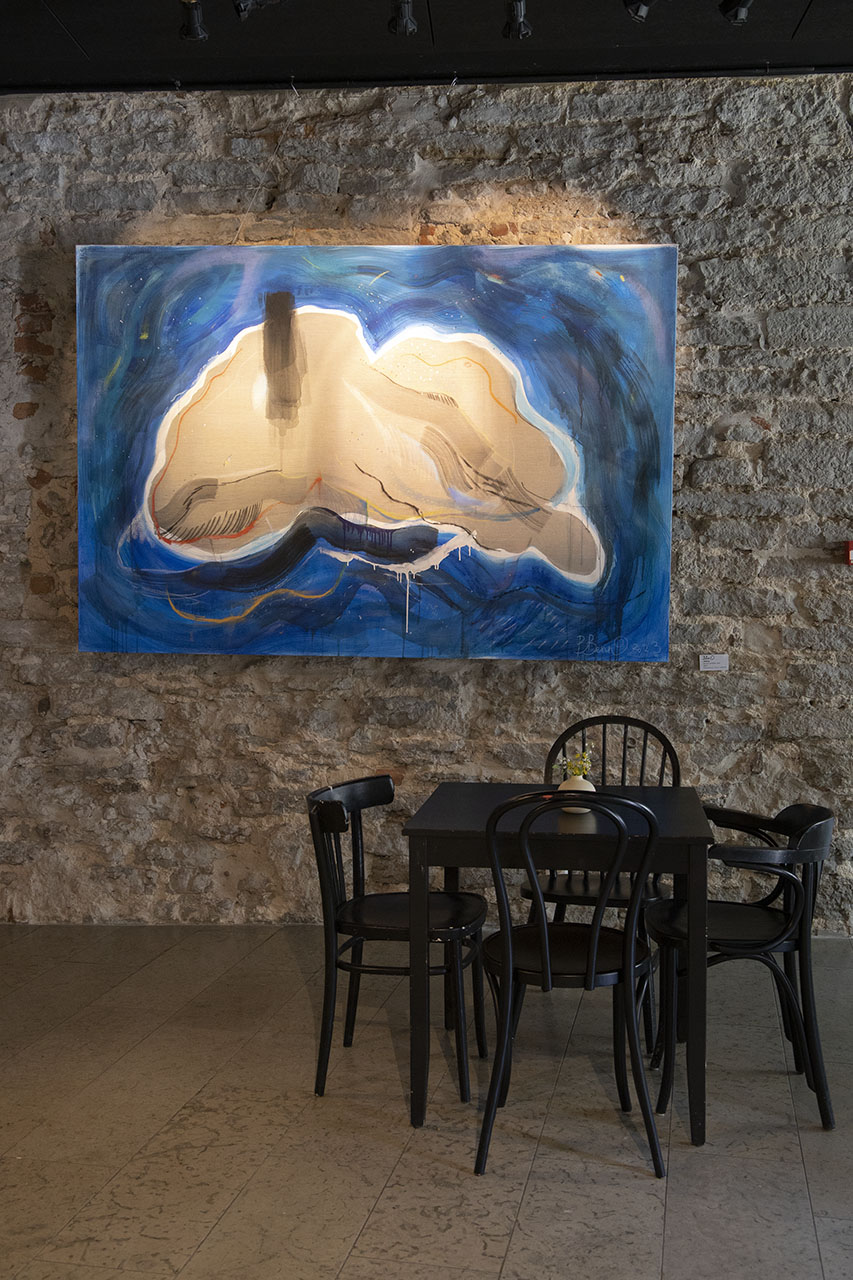
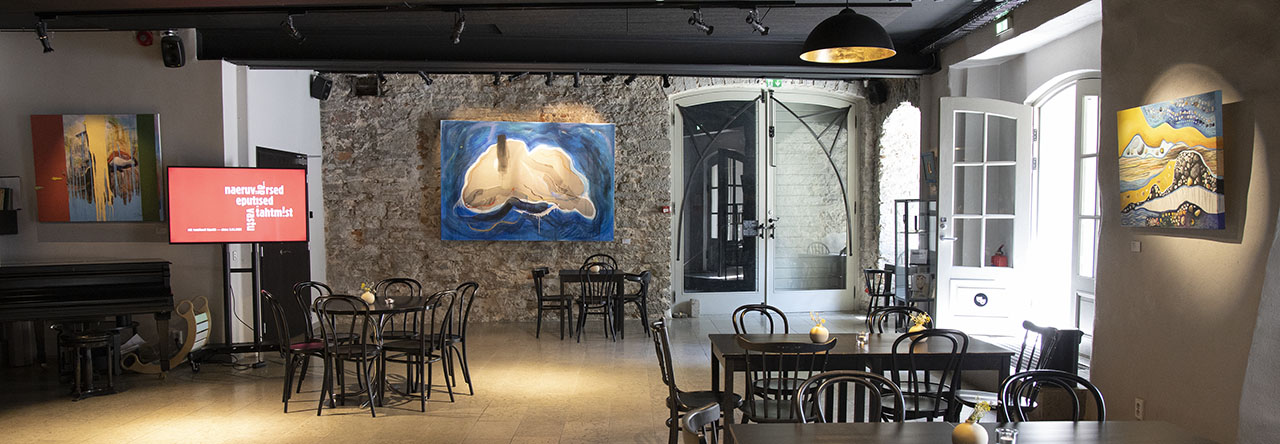
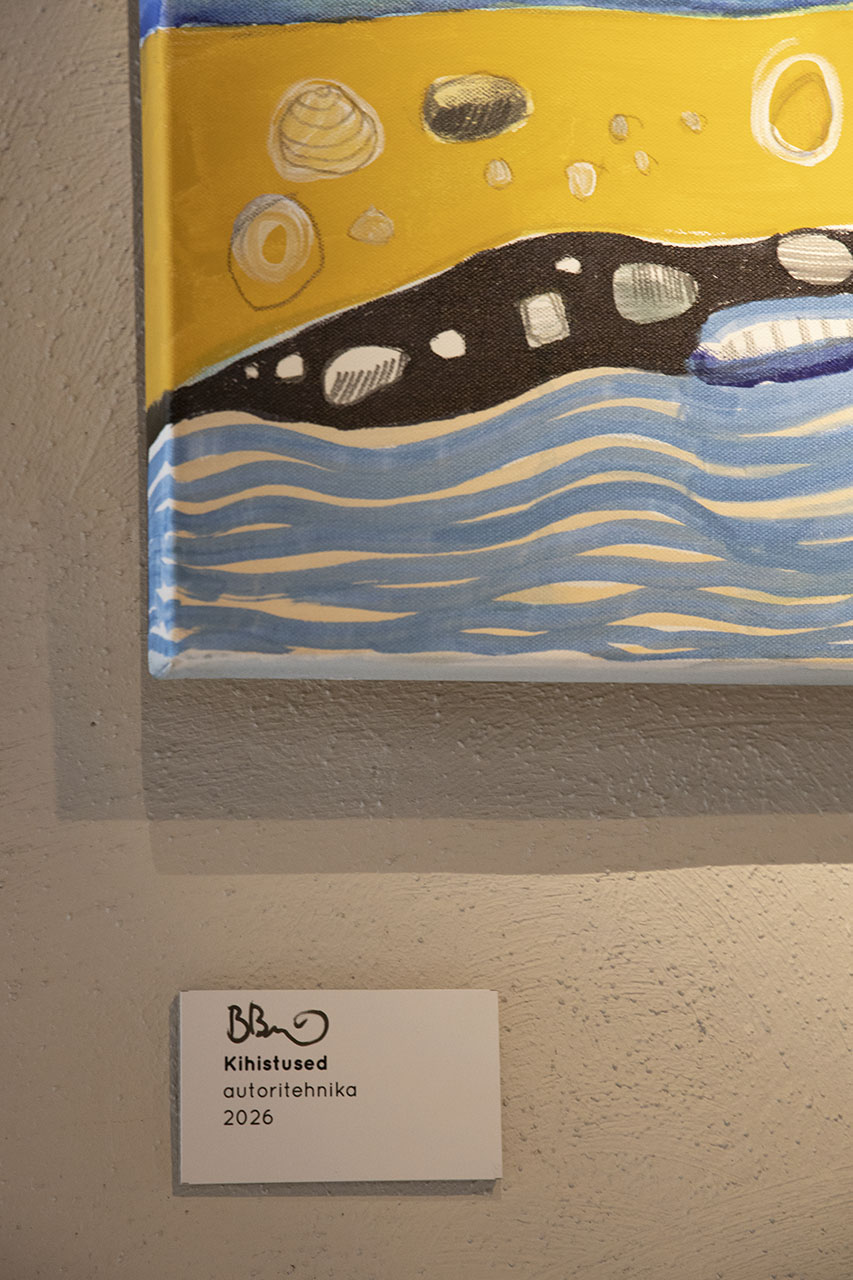
Among the various places linked to VHK, the café “Ait” also holds personal significance for me as a gathering spot. Here, I present a retrospective of both older and brand-new work. The subjects depicted can be conceptually divided into two categories, unpacking the poetic and multi-layered meaning behind the name Maarjamaa (“Land of Mary”). The first part of the exhibition—hosted in a café—is themed around the Earth. In recent years, I have explored abstraction, playing with geological layers and forms; I envision the Earth through varied combinations of tones, lines, and surfaces—expressed in paintings, drawings, and graphic works—while conceiving of the Earth as a living being that breathes and evolves over time.
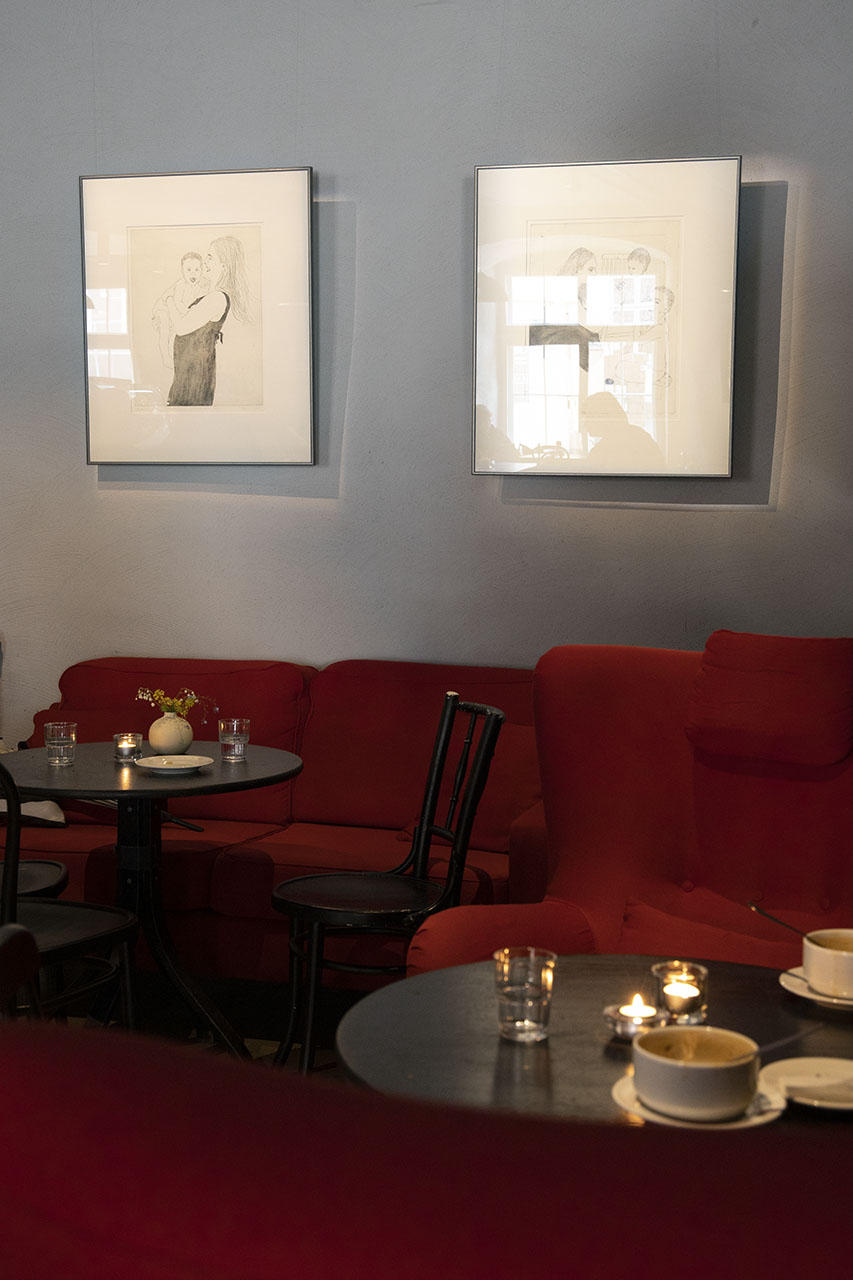
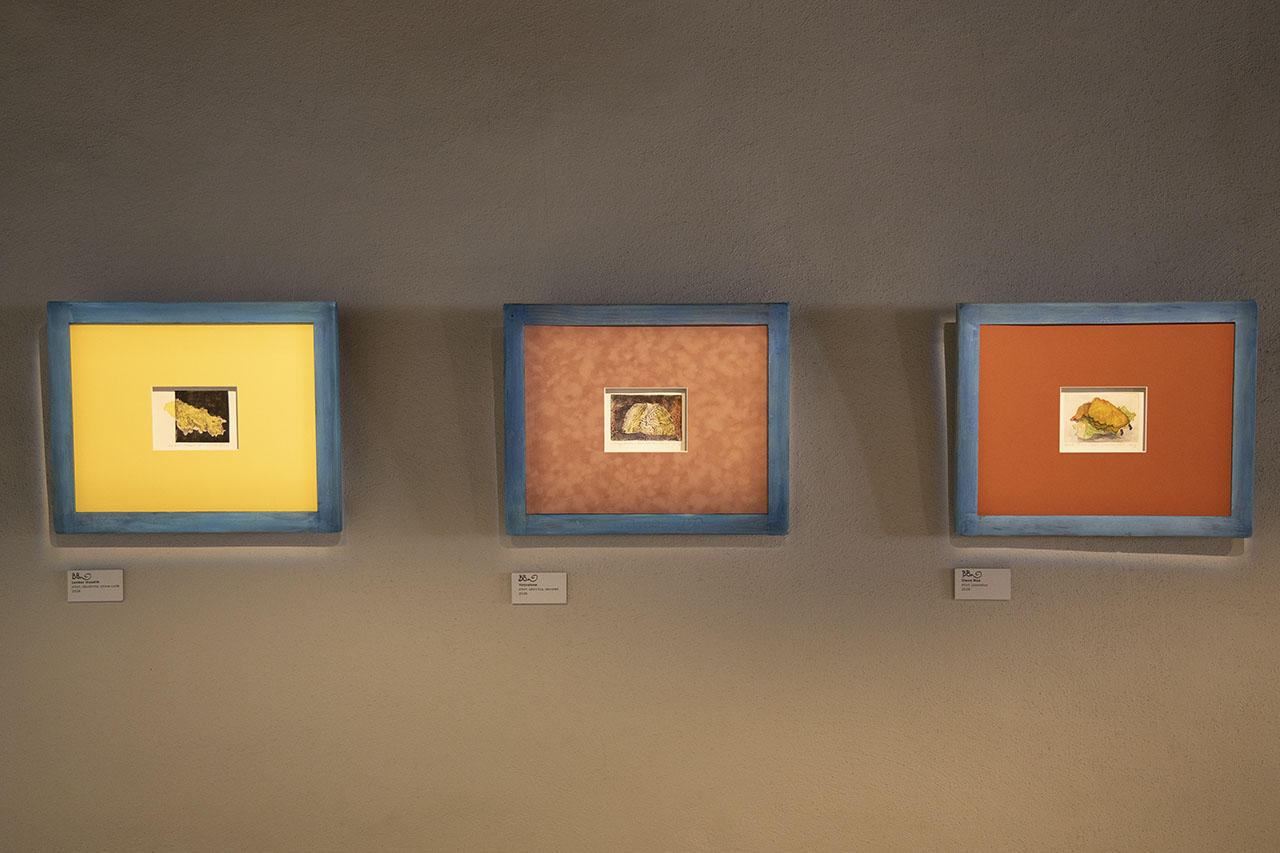
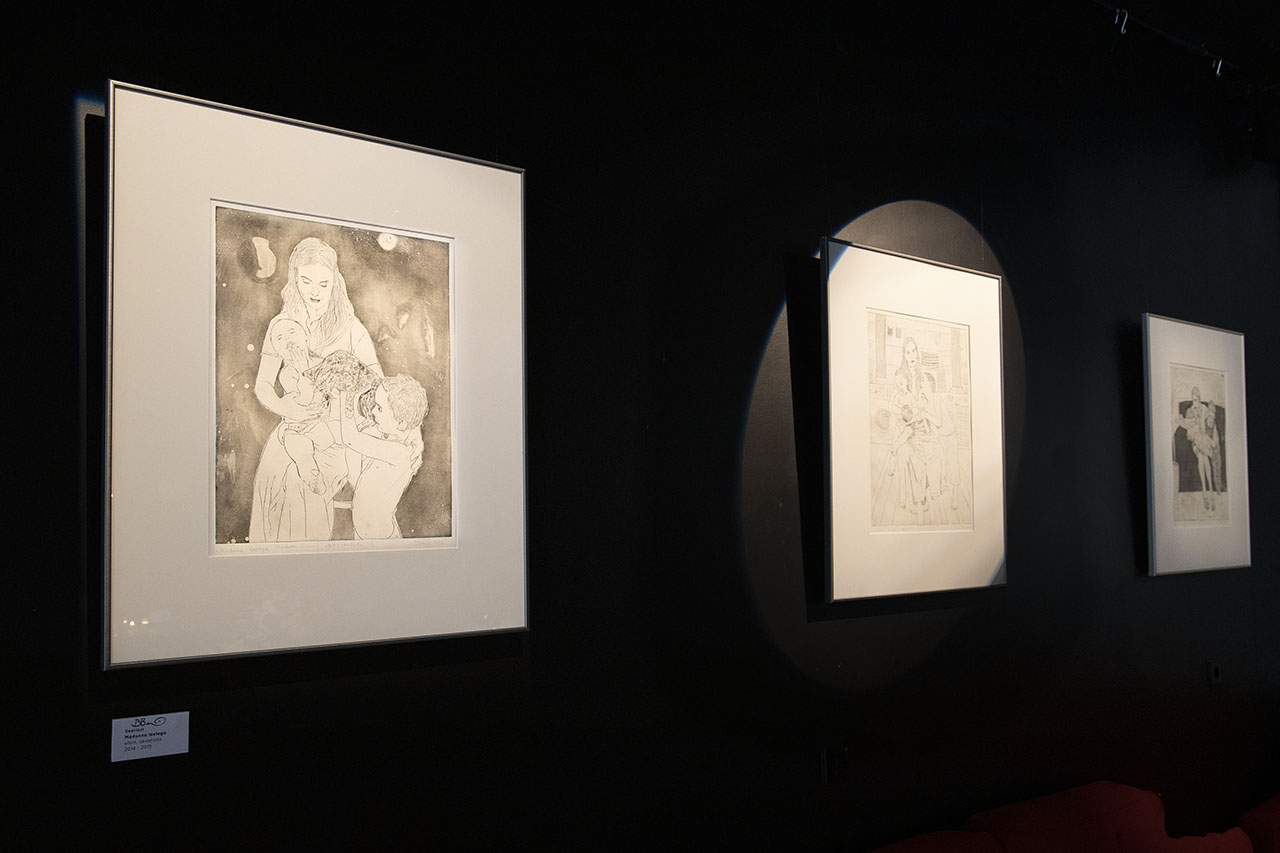
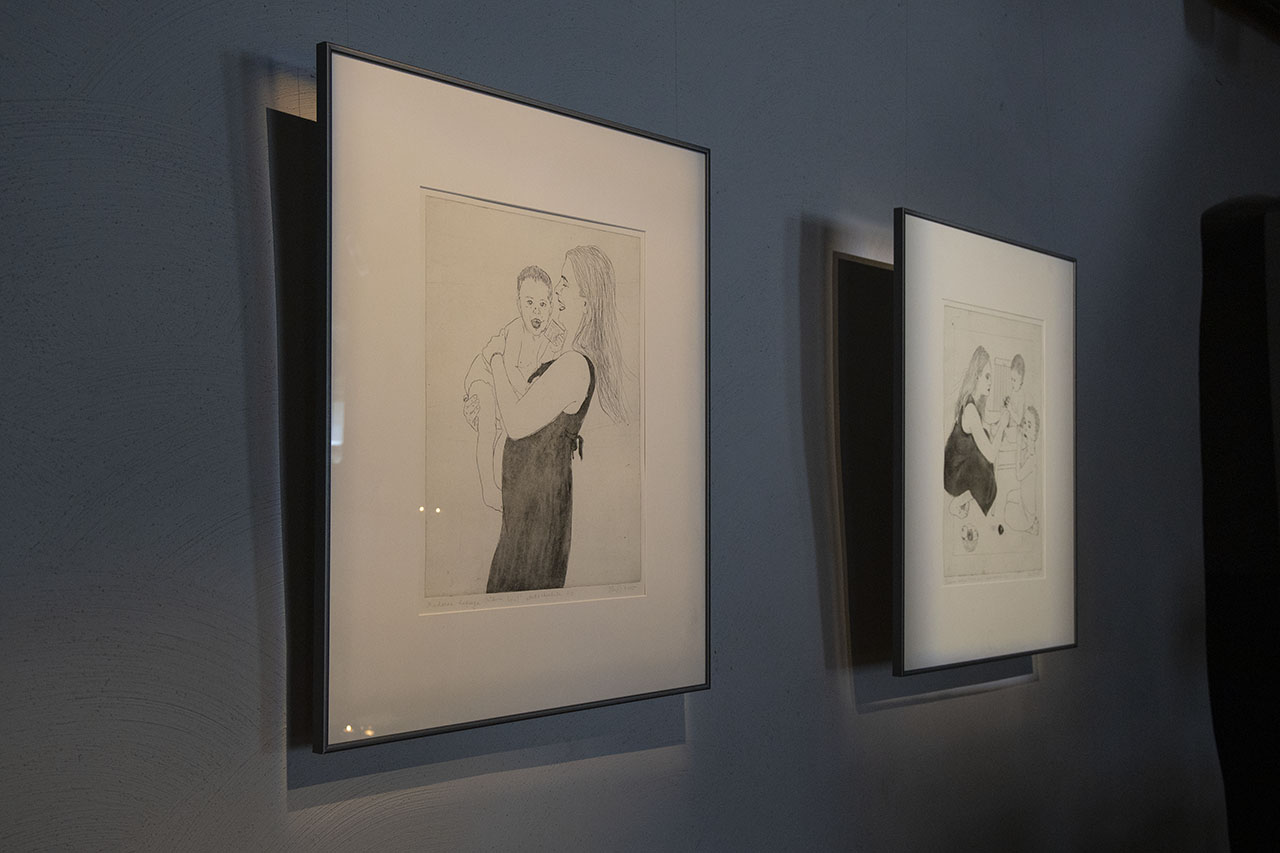
The second, more intimate part of the exhibition focuses on the figure of the Madonna, represented through autobiographical etchings and aquatints from the series “Madonna with Children.” Created between 2014 and 2015 and based on staged photographs, the compositions in this series draw inspiration from reproductions of works by artists such as Raphael, Filippo Lippi, and Elisabetta Sirani. These scenes were staged in a domestic setting—amidst the authentic clutter of daily life—featuring myself and my children as models, with my husband serving as the photographer.

Näitus „Maarja ja Maa“ on vilistlase armastusavaldus Vanalinna Hariduskolleegiumile ja VHK Kunstikoolile. Kuuluda kogukonda alates selle algusaegadest – Aiakese, kooli kõigis astmeis õpilasena, samuti VHK Kunstikoolis ja Muusikakoolis klavessiini õppurina, seejärel kunstiõpetajana ja praeguseks lapsevanemana – on olnud katkematu kahekümne viie aastane elukaar, mis on mind inimeseks ja kunstnikuks mõõtmatult suures osas vorminud. VHK kunstiõpetajad algklassides olid need, kelle toetus ja kütkestav lähenemine loomele lõid minus kindla plaani ise suurena sama heaks kunstiõpetajaks saada. Kool oma kõigi üksuste ja inimestega on nagu kaitsev kest, mille varjus vaikselt pärleid moodustada saab. Kindlasti on väärtushinnangud need, mis VHK-st hinge juurdusid. Turvalisust ja hoitust kannan kaasas ja külvan.
Kohvik „Ait“ on mulle teiste VHK-ga seotud kohtade seas samuti isiklikult oluline kogunemise koht. Siin esitan retrospektiivselt nii vanemat kui ka päris uut loomingut, millel kujutatu võib mõtteliselt kaheks jaotada, harutades lahti poeetilise ja tähendusterohke Maarjamaa nimetuse.
Maa teemaline on kohvikunäituse esimene pool – viimastel aastatel olen abstraheerinud ja mänginud maakihtide ning vormidega, kujutledes maad toonide, joonte ja pindade kirjudes kombinatsioonides maalidel, joonistustel ja graafikas, mõeldes Maast kui elusolendist, kes elab, hingab ja muutub ajas.
Maarja on väljas näituse teisel, sisemisel poolel – teda kujutavad autobiograafilised ofordid ja akvatintad seeriast „Madonna lastega“. 2014.-2015. aastal fotolavastuste põhjal loodud graafika seeria Madonna lapsega kompositsioon toetub reprodele muuhulgas Raffaeli, Filippo Lippi, Elisabetta Sirani jt. kunstnikelt. Koduses keskkonnas, ehtsa segaduse keskel loodud lavastustes kasutan modellidena iseennast ja lapsi ning fotograafiks abikaasat.